

โทรศัพท์ติดต่อ DMC : ค้นหาหนังสือธรรมะ หน้า 597 / 615
หน้าหนังสือทั้งหมด
130
Understanding Mindfulness in the Mind
mind in the mind, it means mindfulness only of the sphere of central processing — and not the spheres of the mind involved with perception, sensory registration or cognition. It is no use having mindf
The text discusses mindfulness focusing on the central processing of the mind, distinguishing it from perception and cognition. It describes the clear nature of the pure mind that becomes tainted by d
132
The Four Absorptions in Meditation
guish them as follows:
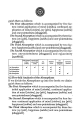
The First Absorption which is accompanied by five factors: initial application of mind [vitakka], continued application of mind [vicāra], joy [pīti], happiness [sukha] and one-p
This text outlines the four absorptions in meditation, detailing the factors involved in each state. The First Absorption is characterized by five components: initial application of mind (vitakka), co
133
Understanding the Levels of Absorption in Meditation
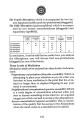
The Fourth Absorption which is accompanied by two factors: happiness [sukhα] and one-pointedness [ekaggatα].
The Fifth Absorption [pañcamaajahana] which is accompanied by two factors: one-pointedness
This text outlines the five absorptions in meditation, detailing the factors involved in each stage, including joy, happiness, one-pointedness, and equanimity. Importantly, one-pointedness is a consis
134
The Importance of Meditation in Buddhism
Meditation is the focussing of the mind on a single object and abiding in a single mood without distraction or restlessness, or being caught up in external influences on mood. Meditation is thus of gr
Meditation is central to Buddhist practice, allowing individuals to focus the mind on a single object, leading to the cultivation of virtues and deeper levels of awareness. The attainment of the five
136
Understanding the Inner Bodies on the Path to Enlightenment
them and go further through the centre until attaining the Body of Enlightenment — the most subtle of the inner bodies.
The inner bodies between the Paṭhama Magga Sphere and the Body of Enlightenment
This text delves into the various inner bodies that exist between the Paṭhama Magga Sphere and the Body of Enlightenment. These include the Subtle Human Body, Angelic Body, and several Brahma Bodies,
138
The Path to Enlightenment in Buddhism
grasping [räga], hatred [dosa] and delusion [moha]. When the mind is sufficiently pure to be released from these three defilements, the mind will attain the Formless Brahma Body.
The defilements assoc
This text discusses the process of achieving enlightenment in Buddhism, focusing on the overcoming of three main defilements: grasping (räga), hatred (dosa), and delusion (moha). It explains the attai
139
Understanding the Body of Enlightenment in Buddhism
hatred [dosa] and delusion [moha].
Having attained the Sakidägämi Body of Enlightenment,
the meditator uses this Body of Enlightenment to examine
the Four Noble Truths in the Brahmä Body both forwards
บทความนี้สำรวจระดับต่างๆ ของการตรัสรู้ในพุทธศาสนา โดยเน้นถึงการใช้ร่างกายของการตรัสรู้ เช่น Sakidägämi, Anägämi และ Arahant ซึ่งผู้ปฏิบัติธรรมจะสามารถปล่อยวางข้อผูกพันต่างๆ เพื่อเข้าถึงความรู้สูงและกา
141
Understanding Impermanence, Suffering, and Not-Self
Impermanence [aniccān]: This is the built-in character of objects that are of a nature to change the whole of the time. Such things as the Five Aggregates of the Human Body are changing the whole of t
This text delves into the fundamental Buddhist concepts of impermanence (aniccān), suffering (dukkham), and not-self (anattā) as expressed through the Five Aggregates of the Human Body. It highlights
142
The Path to Enlightenment: Understanding Dhammakāya
the knowledge arising from cognition may be erroneous.
The knowledge arising from 'knowing', by contrast, de-
pends on the Dhammakāya — it is knowledge based on
true wisdom such as the Four Noble Trut
This text discusses the distinction between knowledge gained through cognition and that which arises from true wisdom based on the Dhammakāya. It details the bodhisatva's rigorous meditation practice
143
Understanding the Dhamma Body and the Noble Path
Dhamma Body — not with the human eye or the naked eye.
All the knowledge that brought him to Buddhahood came
by the ‘knowing’ of the Dhamma Body, not by rationale or
reasoning with the logical (hum
The Dhamma Body can only be perceived beyond the human eye, allowing the Buddha to grasp deep truths about existence. His compassion drove him to teach the Noble Path for the liberation of others, adv
144
The Components of the Eightfold Path
The Components of the Eightfold Path all arise together
When the factors of the Eightfold Path arise, they do so to-
gether — just as the elder monk Koṇḍañña, after listening
to the Dhammacakkapavatta
This text discusses the Eightfold Path, emphasizing how all eight components arise together as illustrated by the elder monk Koṇḍañña's attainment of Stream-Entry. It explains the importance of Right
145
Understanding the Eightfold Path: Right Mindfulness and Right Concentration
fort: doing of evils not yet done, maintainance of evils already done, not doing virtues not yet done and abandoning virtues already mastered.
As for Right Mindfulness, he would immediately and defini
This excerpt explores the significance of the Eightfold Path, specifically focusing on Right Mindfulness and Right Concentration. It emphasizes understanding the aggregates of existence as they relate
146
Understanding the Eightfold Path
which proposes various moods and situations for its approval.
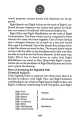
Right Speech and Right Action are the tools of Right Livelihood because whenever our actions and speech are faultless, our means of liveli
This excerpt delves into the components of the Eightfold Path, highlighting the significance of Right Speech and Right Action as essential tools of Right Livelihood. It compares virtues to friends sup
149
The Noble Eightfold Path on the Mundane Level
8
The Noble Eightfold Path
on the Mundane Level
Practising the Noble Eightfold Path is not just the duty of the saint or the monk striving for Nirvana — it is also a means by which the householder ca
Practicing the Noble Eightfold Path is essential for both monks and laypeople. It provides a framework for achieving happiness and societal harmony. This path consists of eight components, beginning w
152
The Significance of the Triple Gem and Six Recollections
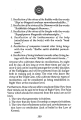
1. Recollection of the virtues of the Buddha with the words "Itipi so bhagavā arahant sammāsambuddho..."
2. Recollection of the virtues of the Dhamma with the words "Suākkhāto bhagavā dhammo..."
3. R
This text emphasizes the importance of recollecting the virtues of the Buddha, Dhamma, and Sangha, along with mindfulness of the body and the cultivation of compassion and loving-kindness towards all
153
Understanding Right View and Right Intention in Buddhism
[Image contains text and a circular symbol at the top]
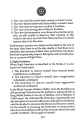
4. The view that this world lacks reality or doesn’t exist;
5. The view that the afterworld lacks reality or doesn’t exist;
6. The view that
This text examines the principles of Right View and Right Intention in Buddhism. It highlights the dangers of False Views, such as denying the reality of this world or the afterlife, and emphasizes th
154
The Renunciation of the Bodhisatva
"Oh! When will I be able to leave this prosperous Mithila with its castles and towers, abundance of the four requisites?"
The bodhisatva thought in this way for four months before he was able to ful
In his quest for enlightenment, the bodhisatva grapples with renouncing the comforts of Mithila, contemplating his intentions for four months. Upon retreating into the forest, he meditates and develop
156
The Tale of Sujāta and the Seven Types of Wives
by the tale of Sujāta, the younger sister of Viṣākha. This lady was the sister in law of Aṇṭhapiṇḍika but was very haughty because she inherited from a wealthy family. She had consideration neither fo
This narrative recounts the tale of Sujāta, who, despite her wealth, was arrogant and disrespectful in her relationships. When invited by Aṇṭhapiṇḍika, the Buddha hears of her conflicts and uses the o
157
Types of Wives: Characteristics and Comparisons
in other men, looking down on her husband — even when her husband is the one to pay her dowry in the first place — having no gratitude to her husband, and even going as far as attempting to kill her h
This text explores different types of wives and their characteristics, highlighting the negative traits of a wife like an enemy, robber, and boss, and contrasting them with the positive traits of a wi
159
The Festival of Fools: A Tale of Wisdom
Once there was a festival which had been organized by fools. It was called the ‘Festival of Fools’ and lasted for seven full days. The fools of the town would sit in a circle and get drunk before goin
Once there was a Festival of Fools characterized by reckless behavior of drunken townsfolk. A group of Buddha's followers, having achieved stream-entry, chose to meditate instead of participating. Upo